Converting a Hotel or Commercial Building into Apartments in Connecticut
What makes a building a candidate, what state law changed in 2025, and how to keep income during the work.
Is your building a conversion candidate?
You can convert a hotel, office or retail building into apartments in Connecticut when its structure, plumbing, exits and zoning can support housing at a cost that beats building new. The first step is an existing-conditions review with a contractor and design team who have done conversions, before you lock in a purchase price or a unit count.
Hotels start with useful pieces: rooms, corridors, bathrooms and elevators. The work is adding kitchens and combining small rooms. Offices are often harder, because deep floors leave space far from windows and plumbing sits in only a few places.
What Connecticut changed in 2025
Public Act 25-164, effective October 1, 2025, lets towns that adopt the regulations approve some commercial-to-residential conversions through a summary review, without a public hearing. The owner certifies that the building was vacant or averaged under 50% occupancy over the prior year. Commissions must decide within 65 days, and the town cannot revalue the converted building for three years after the certificate of occupancy. Industrial buildings are not covered, and building and fire codes still apply.
This is general information, not legal advice. Confirm with your attorney and your town's planning and zoning office before relying on it.
A step-by-step path
Walk
Walk the building with a contractor and architect before you finalize the purchase price.
Zoning
Check zoning and the approval path with the town, including whether summary review applies and whether the building is historic.
Layout
Lay out apartments against windows, plumbing paths and exits. Then price the plumbing, electrical, mechanical and fire protection that has to change.
Phase
If the building is occupied, plan the phasing, pick the delivery method and contract type, and bring units online as they are finished.
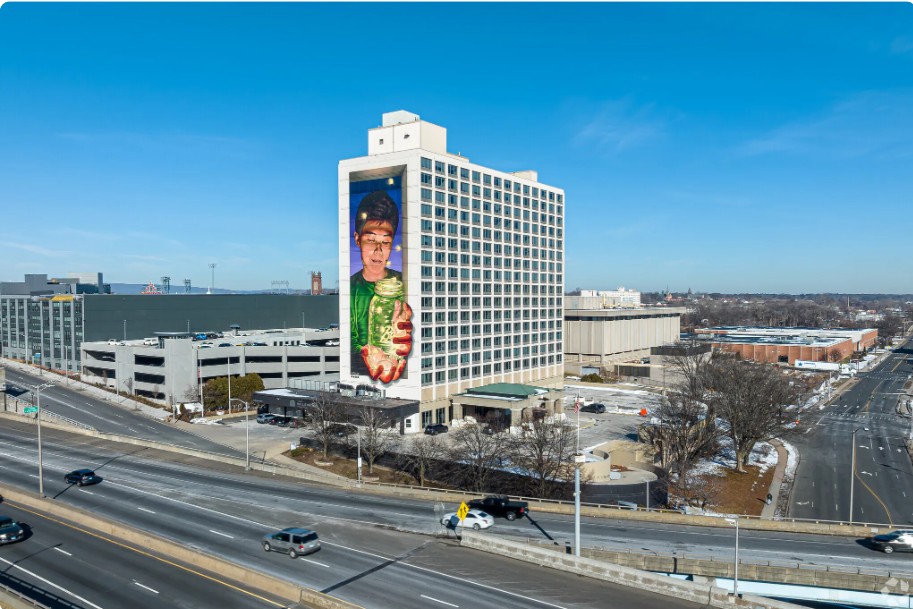
The Millennium, Hartford
A run-down hotel at 50 Morgan Street, converted floor by floor into apartments while tenants lived inside. Built under a cost-plus contract. 9 of 17 floors, $18M.
Storrs Student Living
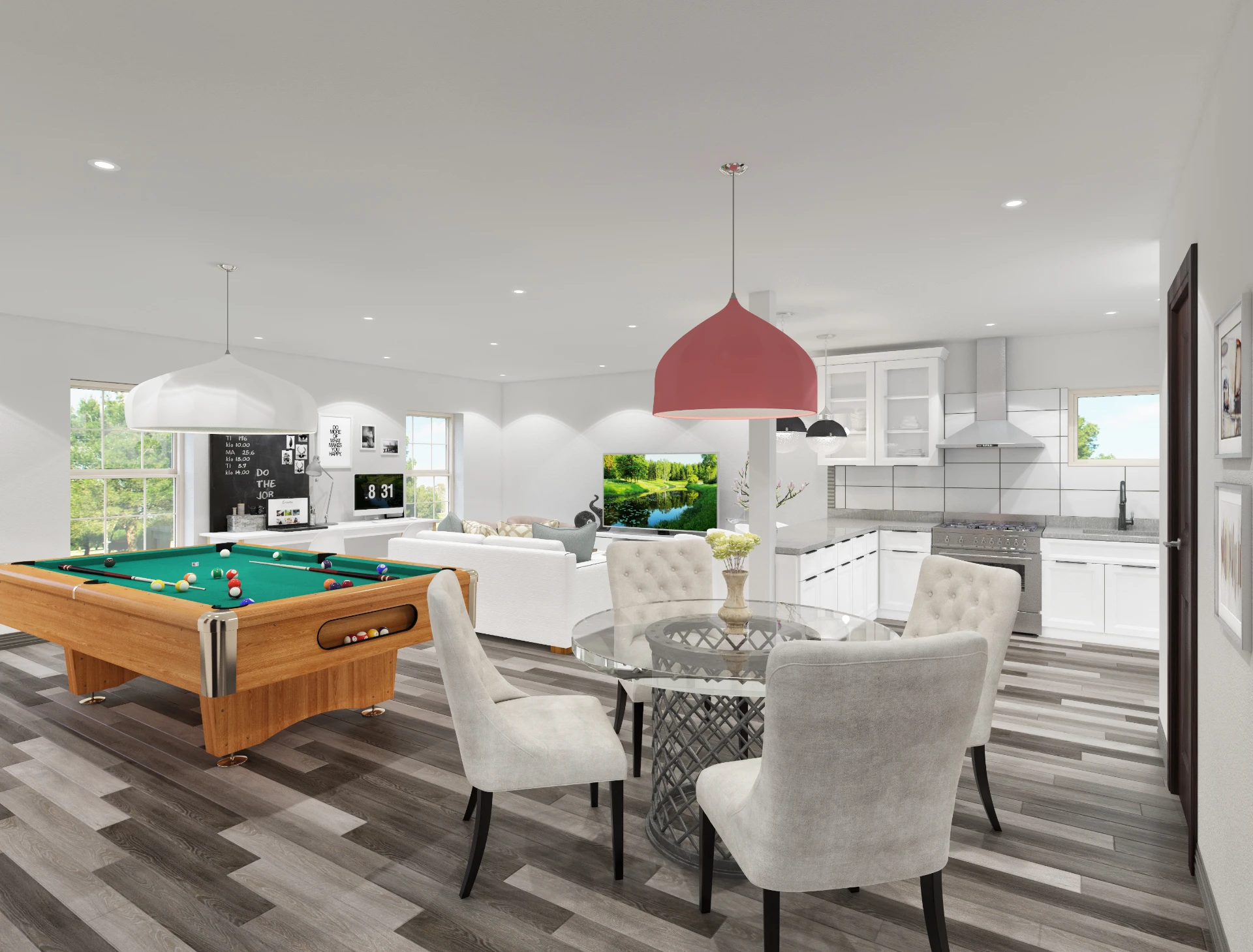
Ten occupied buildings near UConn converted to co-living in 11 weeks, with staggered work and parallel crews so students could stay. $2.2M.
Creekline at Fairfield
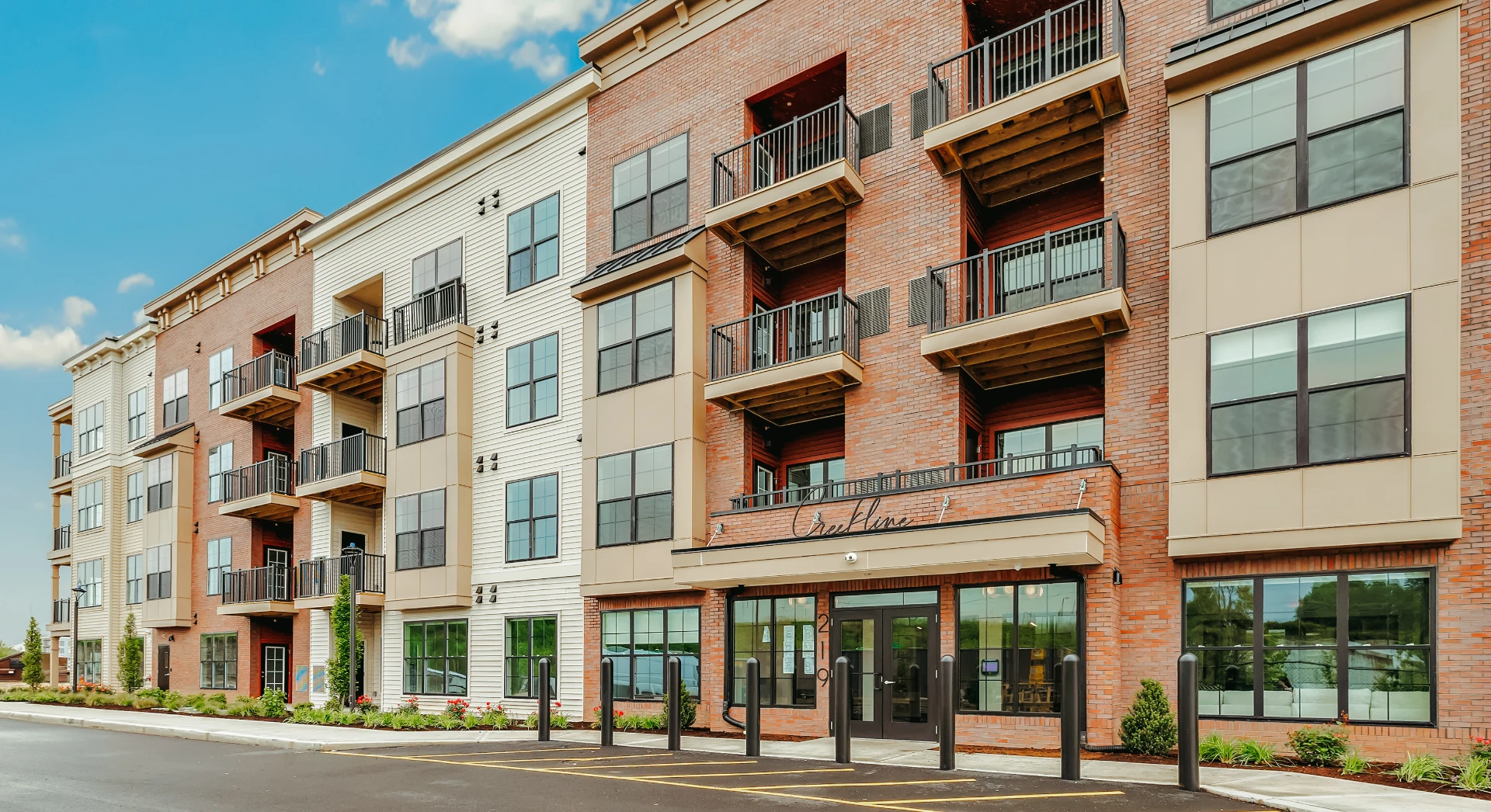
For comparison, a case where new construction was the right call: 70 ground-up apartments on a remediated foundry site. $16M.
What our clients are saying
Questions developers ask
Can I convert a hotel or office building into apartments in Connecticut?
Yes, if the building's structure, plumbing, exits, and zoning can support apartments at a cost that beats building new. Since October 1, 2025, Connecticut law lets towns that adopt the regulations approve some conversions of vacant or under-50%-occupied commercial buildings, including hotels, offices, and retail, through a faster summary review without a public hearing. Building and fire codes still apply. Start with an existing-conditions review and a zoning check with your town before you set a purchase price or unit count.
What did Connecticut's 2025 conversion law change?
Public Act 25-164, effective October 1, 2025, lets municipalities allow the conversion of commercial buildings into housing through a summary review. To qualify, the owner certifies that the building was vacant or averaged under 50% occupancy over the prior year. Commissions must decide within 65 days, unless the applicant agrees to an extension. Towns cannot condition approval on fixing a nonconforming use, structure, or lot, and cannot revalue the converted building for three years after the certificate of occupancy. Industrial buildings such as warehouses and factories are not covered, and the town has to adopt the regulations for the process to apply.
Can a building stay occupied while it is converted to apartments?
Often, yes, with a phasing plan. At The Millennium at 50 Morgan Street in Hartford, Axela converted 9 floors of a 17-story run-down hotel into 238 upscale apartments while tenants lived inside. We ran multiple crews at the same time and upgraded units and floors as soon as they became available, so the owners kept cash flow. Whether your building can do the same depends on its layout, exits, and systems, which a walkthrough will show.
Is converting a hotel or office to apartments worth it compared with building new?
It can be, but there is no automatic cost advantage. Conversions tend to win when the building is in a strong location, has floor layouts and window spacing that fit good apartments, and has a structure that can take new plumbing without heavy demolition. They tend to lose when deep floor plates, poor window access, or full system replacement push costs close to new construction. The answer comes from an early feasibility review with real numbers for your building, not from a rule of thumb.
Bring on your build
Work with a GC who brings strategy, integrity, and cost-conscious precision to every detail of your build.
It would be our honor to partner with you.
