Adaptive Reuse Contractor in Connecticut
Hotels into apartments, factory campuses into housing, old storefronts into modern retail.

When reuse makes sense
Axela Construction converts existing Connecticut buildings into new uses. We help owners and developers decide early whether reuse beats building new, then phase the work so the building keeps producing income where possible.
Reuse tends to win when the location is strong, the structure and floor layouts suit the new use, and the building can stay partly in service. It tends to lose when ceiling heights, exits or building systems would force a near-total rebuild inside the old shell.
The Millennium, Hartford
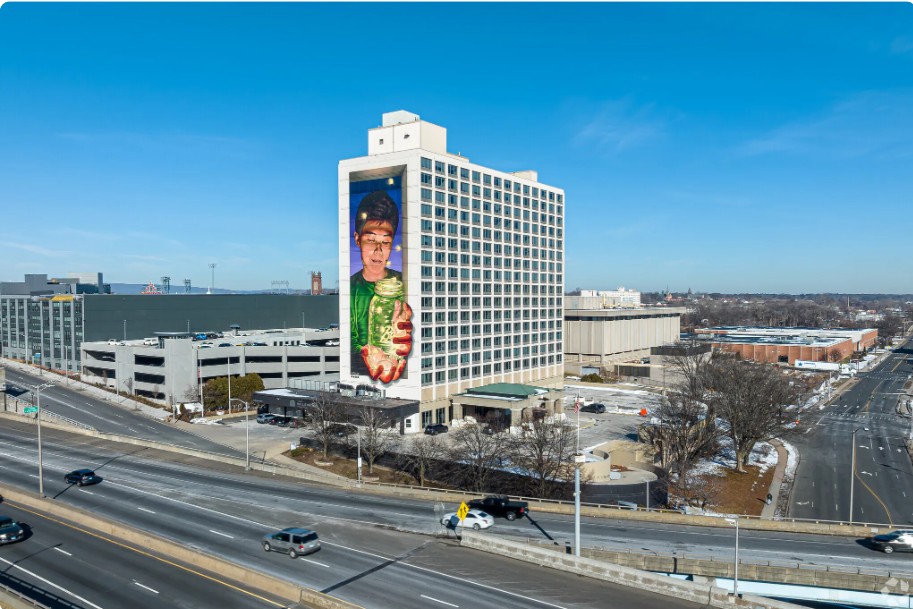
A run-down hotel at 50 Morgan Street, converted floor by floor into apartments while tenants lived inside. 9 of 17 floors, $18M.
Bristle & Main, Hartford

A phased historic conversion of the former Fuller Brush campus, with historic approvals lined up early with city offices. $33M.
Pratt Street, Hartford
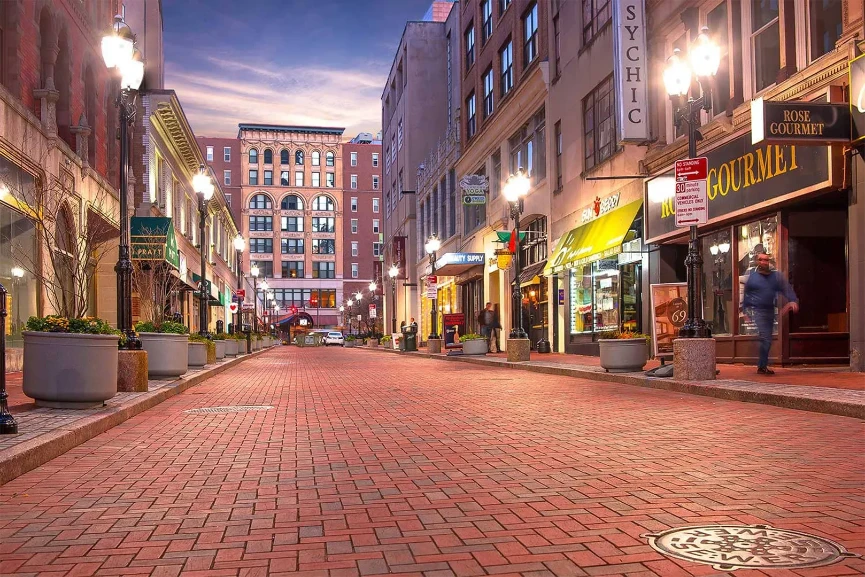
Three historic storefronts modernized in one phase while the surrounding shops stayed open. Original plaster moldings restored. $1.1M.
How we approach a reuse job
Walkthrough
We look at the structure, systems, occupancy and any historic status before the budget is set.
Feasibility
We test whether the new use fits and what it will take, then contract as lump sum, guaranteed maximum price or cost plus.
Phasing
We plan the sequence so units, floors or storefronts keep earning, and start city and historic reviews early.
Build
Multiple crews work at once on a plan that keeps them out of each other's way. You get weekly updates with site photos through closeout.
What our clients are saying
Questions developers ask
What is adaptive reuse in Connecticut commercial real estate?
Adaptive reuse means keeping an existing building, or a large part of it, and changing it to a new use, such as turning a hotel, office, mill, or storefront block into apartments or mixed-use space. In Connecticut it often happens in older downtowns and former industrial buildings, where the location and structure still have value but the original use no longer performs. It is different from a renovation that keeps the same use. The contractor's job is to test whether the structure, exits, systems, and approvals can support the new use without costing more than a new building.
When is adaptive reuse worth it compared with building new?
Reuse is worth a serious look when the building's location, floor layout, and structure can support the new use, and when keeping the building saves time, cost, or approval risk. It is often the wrong path when ceiling heights, exits, parking, or mechanical systems would force a near-total rebuild inside the old shell. The reliable way to know is an early existing-conditions review with a contractor and design team who have done this work. Axela has taken both paths: converting a standing Hartford hotel at The Millennium, and building new apartments at Creekline in Fairfield on a remediated former industrial site.
How do you convert a building without shutting it down?
You phase the work so finished areas stay in use or come online while construction moves to the next section. That usually takes multiple crews, tight logistics, and a schedule built around residents or retailers. At The Millennium in Hartford, Axela renovated units and floors as they became available so the owners could keep cash flow while tenants lived inside. On Pratt Street, the work ran in one phase, with after-hours work as needed, so the surrounding shops stayed open. At Storrs Student Living, ten occupied buildings were converted in eleven weeks with staggered work and parallel crews.
Bring on your build
Work with a GC who brings strategy, integrity, and cost-conscious precision to every detail of your build.
It would be our honor to partner with you.
