GC vs Construction Management vs Design-Build: How Connecticut Developers Should Choose
Three delivery methods, three contract types, and how to pick for your project.
The three delivery methods
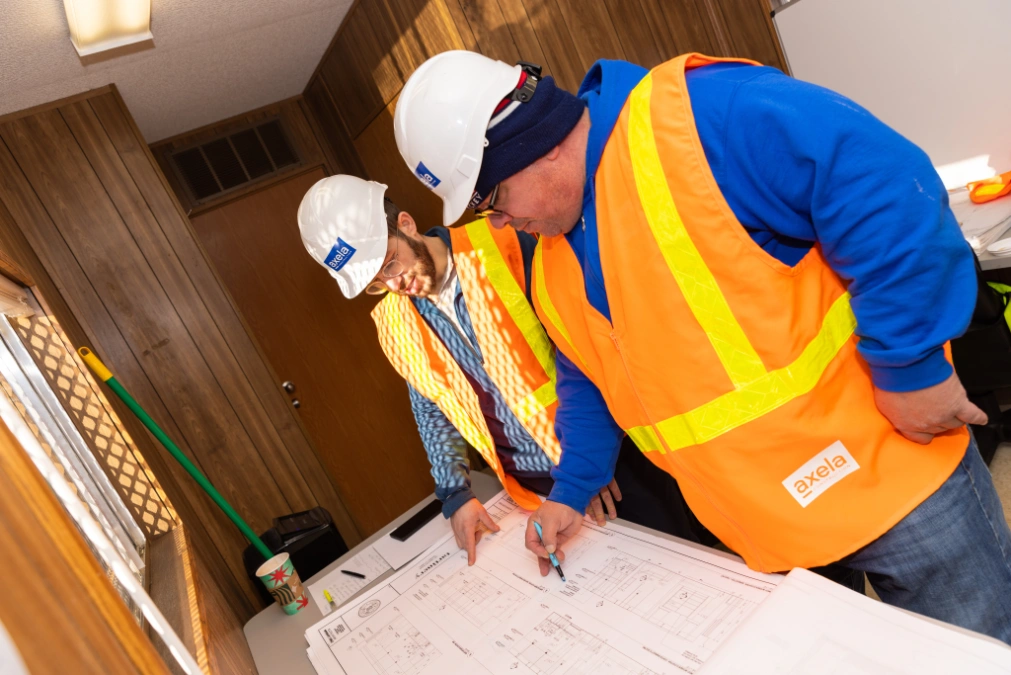
Choose a general contractor when your drawings are far enough along to price and you want one company to hold the trade contracts and deliver the building. Choose construction management when you want to hold the trade contracts yourself and use the builder as your eyes and ears in the field. Choose design-build when design and construction need to move together under one team, usually because the program, budget or schedule is still taking shape. Axela offers all three.
General
contractor
contractor
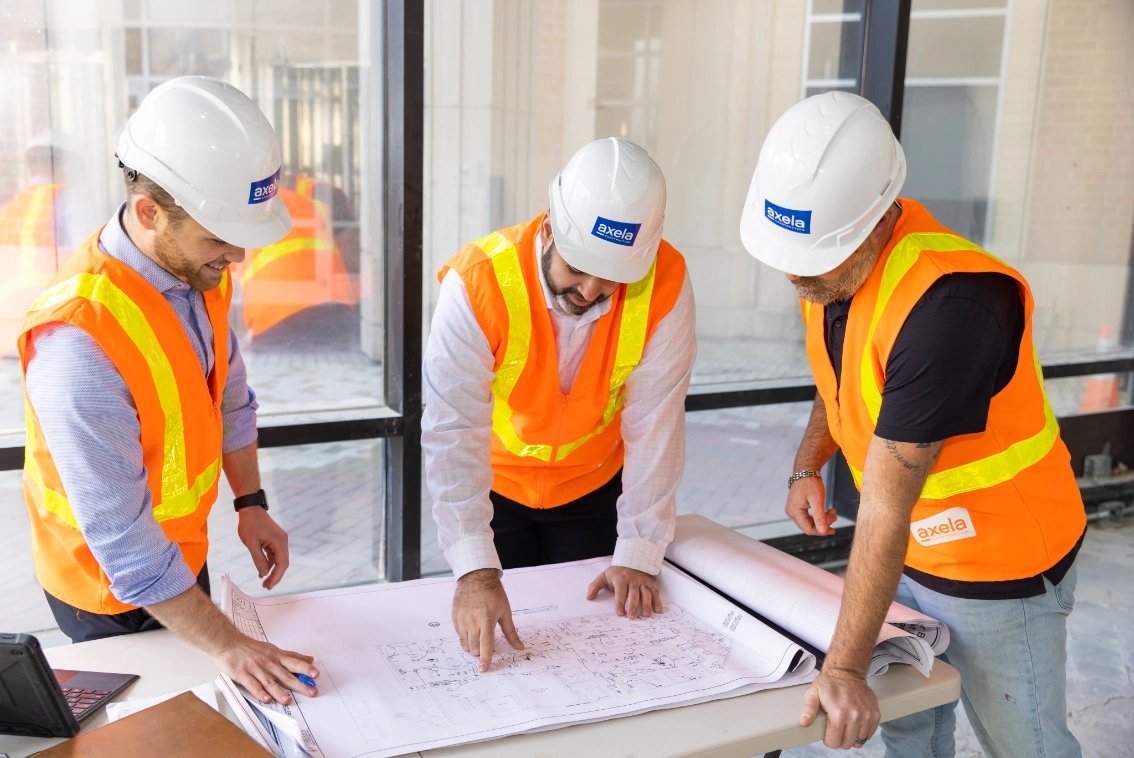
The owner hires an architect, then a GC to build it. The GC holds the subcontracts, runs the site and is accountable for delivering what the drawings show.
Construction
management
management
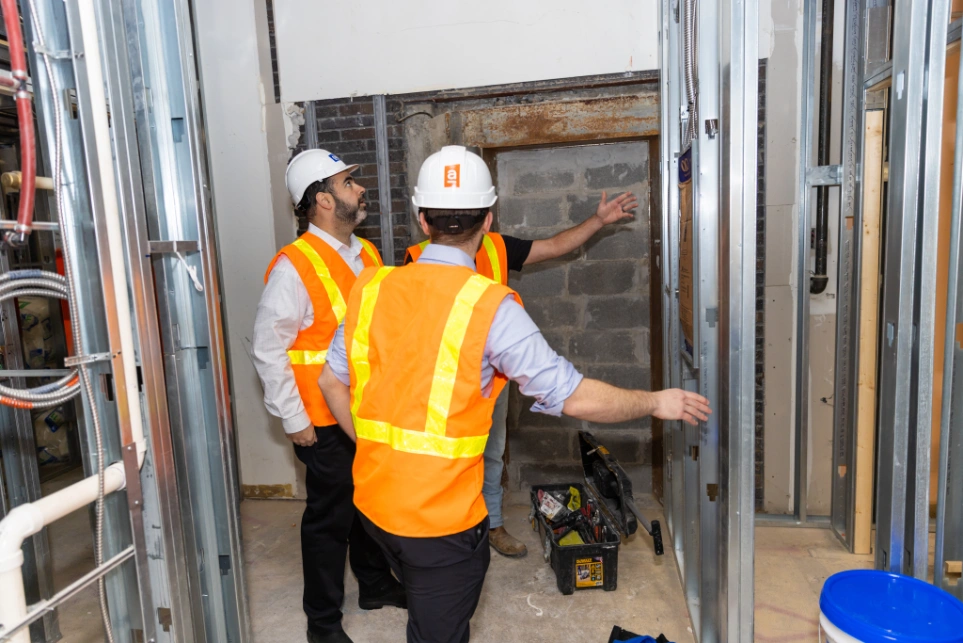
The builder manages the project while you hold the trade contracts. You see every subcontract and control cost directly, and take on more of the contracting and payment work.

Design-
build
build
One team handles design and construction together, so the plan is budget-smart and buildable before construction begins.
Where CM at risk fits
Construction manager at risk is a hybrid of the first two. The builder joins early like a construction manager, then holds the trade contracts like a general contractor, usually under a guaranteed maximum price (GMP). You get early input and a cost ceiling, but the details matter: how contingency is defined, what counts as a change, and who keeps savings.
Private developers can use this structure by contract. Axela serves as construction manager at risk, including on private projects.
Five questions that point to the right method
Drawings
Mostly finished points to a GC. Still in schematic design points to construction management or design-build.
Control
If you want to see and sign every trade contract, construction management fits.
Risk
A GC carries more delivery risk for a defined scope. Under construction management, more of it stays with you.
Schedule
If you need to start before design is done, design-build or early builder involvement usually helps.
Building
Occupied buildings, historic structures and conversions reward early builder input, because existing conditions drive cost. Simple ground-up work with complete drawings is the classic GC case.
Contract types are a separate choice
The delivery method decides who holds the trade contracts and when the builder joins. The contract type decides how you pay. Lump sum sets one fixed price for a defined scope. A guaranteed maximum price pays actual cost plus a fee up to an agreed ceiling, often under construction manager at risk. Cost plus pays actual cost plus a fee, which gives room when the scope is hard to define up front.
What our clients are saying
Questions developers ask
What is the difference between a general contractor, a construction manager, and design-build?
A general contractor holds the trade contracts and builds the project from finished or nearly finished drawings. A construction manager, in the way Axela offers it, manages the process as the owner's eyes and ears while the owner holds the trade contracts. Design-build puts design and construction on one team from the start, so the plan is shaped around budget and buildability. The difference comes down to who holds the contracts, when the builder joins, and who carries which risks.
Which delivery method should a Connecticut developer use?
Use a general contractor when your drawings are far enough along to price and you want one company accountable for delivering the building. Use construction management when you want to hold the trade contracts and keep direct control of cost. Use design-build when the program, budget, or schedule is still taking shape and you want one team responsible for both design and construction. On many Connecticut multifamily and reuse projects, the right answer depends on how complete your drawings are and how much risk you want to carry.
Where do construction manager at risk and a guaranteed maximum price fit?
Construction manager at risk is a hybrid. The builder joins early like a construction manager, gives cost and constructability input during design, then holds the trade contracts like a general contractor, usually under a guaranteed maximum price. It suits complex projects where you want early builder input and a ceiling on cost. Whether it saves money depends on the contract terms, especially how contingency, allowances, and savings are handled. Axela offers construction manager at risk, including on private projects.
What is the difference between lump sum, GMP, and cost plus?
They are contract types, which set how you pay, and they are a separate choice from the delivery method. A lump sum contract sets one fixed price for a defined scope, so it works best when drawings are complete. A guaranteed maximum price contract pays actual cost plus a fee up to an agreed ceiling, often under construction manager at risk. A cost-plus contract pays actual cost plus a fee without a fixed ceiling, which gives flexibility when the scope is hard to define up front. Axela offers all three, depending on what the client wants.
Can I change delivery methods after a project starts?
Often, yes, especially early. Many owners start with preconstruction help while design is still moving, then decide whether to proceed with that builder as general contractor, construction manager, or under a design-build agreement. Switching gets harder and more expensive after trade contracts are signed. The best time to decide is during preconstruction, before drawings are finished.
Bring on your build
Work with a GC who brings strategy, integrity, and cost-conscious precision to every detail of your build.
It would be our honor to partner with you.
